
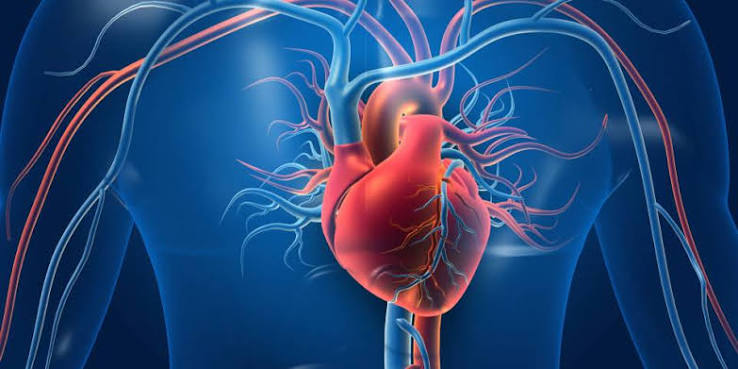
Heart disease remains one of the leading causes of morbidity and mortality worldwide, and India is no exception. For residents of Chhattisgarh’s capital, consulting a qualified Cardiologist in Raipur is one of the most important steps toward understanding and protecting long-term cardiovascular health.
Many patients visit a cardiologist only after experiencing a significant cardiac event — a heart attack, an episode of chest pain, or a sudden breathlessness that could not be ignored. But cardiologists offer enormous value far before a crisis point is reached. Their role is as much about education, prevention, and risk management as it is about treating established disease.
The Cardiologist’s Role in Patient Education
A cardiologist’s primary responsibility is to help patients understand what is happening inside their hearts and blood vessels. This means translating complex medical findings — an electrocardiogram, an echocardiogram, a stress test — into language that makes sense to a non-specialist. When patients understand what their results mean, they are more motivated to follow treatment recommendations, adopt healthier habits, and attend regular follow-ups.
Good cardiologists do not simply hand over a prescription and move on. They explain the reasoning behind each recommendation, discuss alternatives where they exist, and help patients feel genuinely involved in decisions about their own care.
Identifying Risk Factors Before They Cause Damage
One of the most valuable things a cardiologist does is identify cardiovascular risk factors before they cause irreversible damage. High blood pressure, elevated cholesterol, type 2 diabetes, obesity, and smoking are all independently significant risk factors for heart disease — and when they occur together, the cumulative risk is multiplicative rather than merely additive.
During a cardiovascular risk assessment, the cardiologist reviews the patient’s medical history, orders relevant blood tests, measures blood pressure and body mass index, and calculates an overall risk score. This score informs the intensity of preventive treatment and the urgency of lifestyle modifications.
Interpreting Diagnostic Tests
Modern cardiology relies on a wide array of diagnostic tools — resting and exercise ECGs, echocardiograms, Holter monitors, CT coronary angiograms, and nuclear stress tests among them. Patients who have had one or more of these tests often arrive at follow-up appointments feeling anxious and confused.
A skilled cardiologist interprets these results in context — not just reporting numbers or findings, but explaining what they mean for the individual patient’s risk profile, how they will influence treatment decisions, and what the next steps in the diagnostic or management pathway will be.
Managing Chronic Cardiac Conditions
For patients who already have a diagnosed cardiac condition — such as coronary artery disease, heart failure, atrial fibrillation, or a valve disorder — regular consultation with a cardiologist is essential. These conditions require ongoing monitoring, periodic adjustment of medications, and prompt attention to any changes in symptoms.
A cardiologist who knows a patient’s history well is far better positioned to detect deterioration early and intervene before a condition progresses to the point of hospitalisation or emergency intervention.
Supporting Lifestyle Change
Heart health is profoundly influenced by daily habits — diet, physical activity, sleep quality, stress levels, and tobacco and alcohol consumption. A cardiologist is uniquely positioned to provide evidence-based guidance on lifestyle modification, either directly or through referrals to specialist dietitians, physiotherapists, or smoking cessation services.
Patients who receive this kind of integrated, holistic guidance from their cardiologist tend to achieve better long-term outcomes than those who receive medication alone without accompanying lifestyle support.
When to Book Your First Appointment
Patients over forty, those with a family history of heart disease, individuals with diabetes or hypertension, and anyone who smokes should consider scheduling a cardiovascular risk assessment even in the absence of specific symptoms. Catching potential problems early is almost always more effective — and less costly — than treating established disease.
For expert cardiac care that combines clinical excellence with compassionate patient education, consult a trusted Cardiologist in Raipur today and take the first step toward a healthier heart.

