
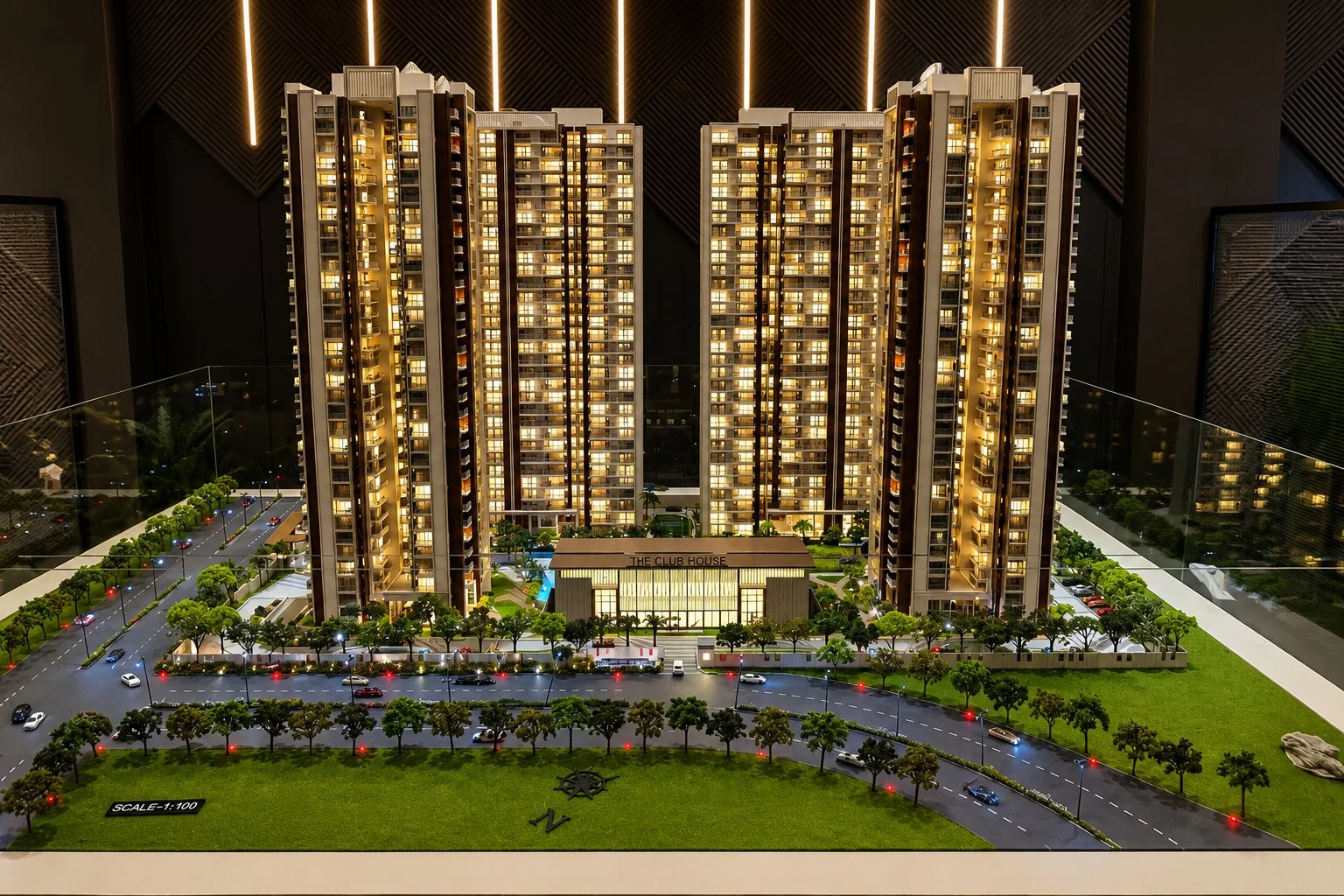
A drawing can look perfect on a screen and still leave people guessing. Clients nod politely at elevations and sections, then ask, “But how will it actually look?” That one question is the reason physical models still matter, even in an age of VR headsets and walkthrough videos. Hold a model in your hands, turn it around, look at it from a low angle, and the project suddenly makes sense.
If you’re an architect, builder, product designer or institution thinking about commissioning one, the choice of maker matters more than most people expect. A good scale model making company india does far more than glue boards together. They read your drawings critically, spot problems early and hand you something you’re proud to put on a table in front of investors. This guide walks through what to look for, what to ask and where projects usually go wrong.
Start With What the Model Needs to Do
Before you contact anyone, get clear on the job the model has to perform. A model for a sales gallery has a very different brief from one made for a competition jury or a school exhibition. The sales model needs to look polished, attract footfall and survive a lot of curious fingers. The competition model might need to be white, abstract and focused only on form.
Write down who will see it, where it will be placed and how long it has to last. A model that sits behind glass for five years needs different materials from one that travels to three trade fairs in a single month. When you share this clearly, a maker can suggest the right approach instead of quoting for something that doesn’t fit your actual need.
Look at Past Work, Not Just the Brochure
Every workshop has a website full of attractive photos. What you want to see is range and consistency. Do the models look equally sharp whether they’re a small house or a township with several hundred buildings? Are the edges clean? Is the landscaping believable, or does it look like green sponge stuck on a board?
Ask for projects similar to yours. If you’re building a hospital campus, a portfolio full of villas isn’t much help. Where possible, visit the studio. Seeing the workshop tells you a lot: how organised it is, what machines they run and whether the people building your model are skilled craftspeople or temporary hands. A reliable scale model making company india will be happy to show you around, and the best ones will talk openly about what went wrong on older projects and what they changed afterwards.
Understand Scales and What They Mean for You
Scale decides how much detail you can see and how large the finished model will be. A tower shown at 1:500 might fit on a desk, while the same tower at 1:100 could need its own table. Common choices for buildings range from 1:50 for interiors and single houses up to 1:1000 for large masterplans.
A good maker won’t simply pick a number and move on. They’ll help you balance size against detail, budget and transport. Sometimes a slightly smaller scale lets you include the surrounding streets, which tells a much better story about the site. Sometimes going bigger is worth it because the facade has detail that deserves to be seen. Talk through these trade-offs before you approve anything.
Materials and Finishing Matter More Than You Think
Acrylic, MDF, foam board, wood, brass, resin, 3D printed parts: each has a purpose. Acrylic gives crisp, glassy surfaces and works well for transparent towers. Wood brings warmth and suits residential or hospitality projects. Resin printing handles tiny, complicated forms that would take days to cut by hand.
Finishing is where quality shows. Paint that has been sprayed evenly, trees that don’t look identical, tiny cars with proper wheels, lighting that doesn’t flicker. Ask what they use for each element and why. If the answer is vague, you may be getting a standard template rather than something thought through for your project.
Ask How They Handle Your Drawings
No set of drawings is perfect. There are always small conflicts between plan and section, or a roof level that doesn’t quite match the elevation. A careful maker will catch these during the build and ask you about them. A careless one will simply model whatever they see and leave you to discover the mistake at the final inspection.
Ask what files they prefer, whether they want CAD, PDF or 3D models, and who on their team reviews the drawings first. A short review call at the start often saves days later. It also shows you how seriously they take accuracy.
Timelines, Budget and Honest Conversations
Model making takes longer than most people assume. Cutting, assembling, painting and detailing can’t be rushed without it showing in the result. A typical project may take anywhere from two weeks to several months depending on size and complexity, and last-minute changes will stretch that further.
Be wary of anyone who promises everything quickly and cheaply. Costs depend on scale, area, detail level, materials, lighting and the number of revisions. Ask for a written breakdown rather than a single figure so you can see where the money goes. If your budget is limited, a straightforward maker will tell you what to simplify, for example fewer interior details or a lower-cost base, rather than quietly cutting corners.
Communication During the Build
The best projects involve regular check-ins. Ask whether you’ll receive progress photos at key stages, such as after the base and structure are done and again before painting. This is your chance to catch a misplaced tower or a wrong colour while it’s still easy to fix.
Also decide who your single point of contact will be. Chasing three different people for updates is a quick way to lose patience. Clear communication isn’t a luxury service. It’s simply a sign that the workshop is organised.
Packing, Transport and Installation
A model that arrives damaged is a failed model, however good it looked on the bench. Ask how it will be packed, whether it’s built in sections for easy movement and who will handle installation at your venue. For large models heading to another city, find out about insurance and whether someone from the team will travel to set it up.
Don’t forget practical details such as power points for lighting, table size and the viewing height. Models look best when people can see them at eye level, so consider the display stand as part of the design rather than an afterthought.
Questions Worth Asking Before You Sign
A short list of questions can tell you more than any sales pitch. Who will actually build my model, and how many models are they handling at the same time? What happens if I want a change after painting has started? Is there a charge for revisions, and where is the limit? Can I see a similar model that was delivered recently, and can I speak to the client who ordered it?
Pay attention to how the answers come. People who’ve done this work for years answer quickly and plainly, often with a story attached. Hesitation or vague promises usually mean the process isn’t as organised as it sounds. It’s also fair to ask about warranty. Small repairs after transport are normal, and a good studio will say upfront how they deal with them.
Red Flags Worth Noticing
A few warning signs are easy to spot once you know them. Photos that appear on several unrelated websites. Refusal to share a timeline. No written agreement on revisions. An unwillingness to explain materials. Pressure to pay the full amount upfront without any milestones.
On the other hand, good signs are also easy to recognise: specific questions about your project, honest comments about what’s possible, clear terms and a calm attitude when you ask for changes.
Think About Aftercare Early
Models sometimes need small repairs or updates after the first viewing. A tower might get knocked at an event, or a design change may require a new block on the base. Ask whether the studio offers repair visits, how quickly they respond and what they charge. Studios that plan for this tend to respond kindly when you call, and they usually keep your files so changes are quick to make.
Final Thoughts
Hiring for a model isn’t complicated, but it does reward a little homework. Know what the model needs to achieve, check real past work, discuss scale and materials openly, and agree on timelines and payment before work begins. Do that, and you’ll avoid most of the headaches people complain about.
Take your time shortlisting two or three studios, send them the same brief and compare their replies. The one who asks the smartest questions is usually the one who’ll build the best result. Choosing the right scale model making company india is really about finding a partner who cares about your project as much as you do. When that happens, the model stops being an expense and becomes one of the most persuasive tools you own.

